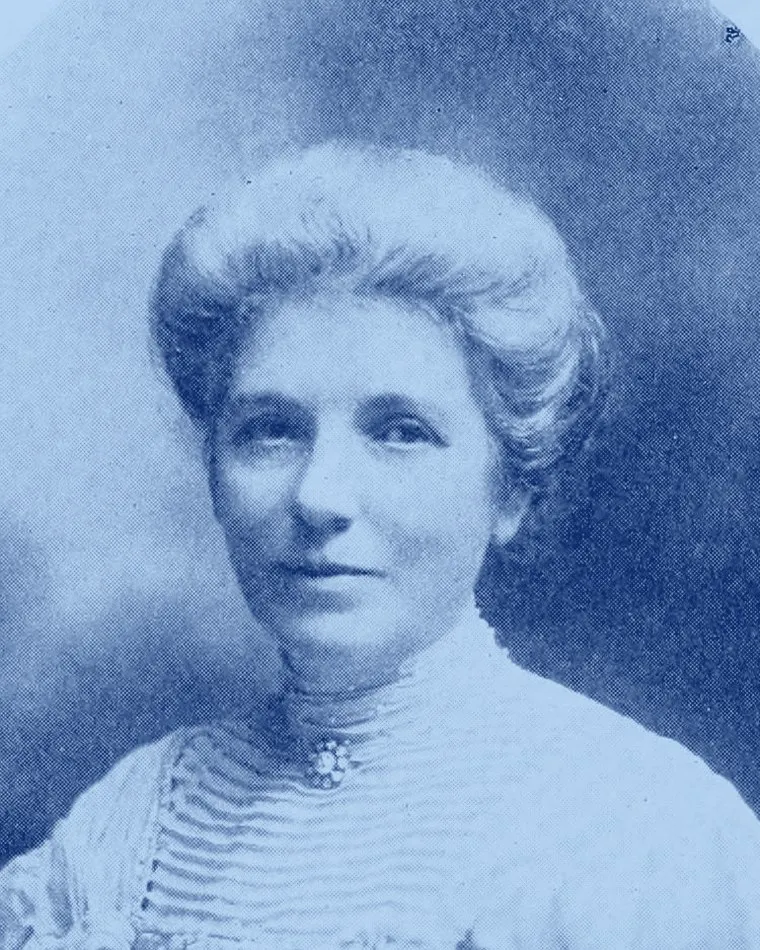
In 1884 a 17-year-old from Bucharest arrived at the Faculty of Law in Paris. Her name was Sarmiza Bilcescu, and she was one of the first two women ever to enrol there.
It did not start well. The doorman told her that ladies did not enter. The faculty council had to vote on whether she could study at all, and many professors, including the dean, voted against her. Years later she remembered it simply:
“The professors' welcome was icy; the students' welcome was extremely respectful.”
A degree, then a doctorate
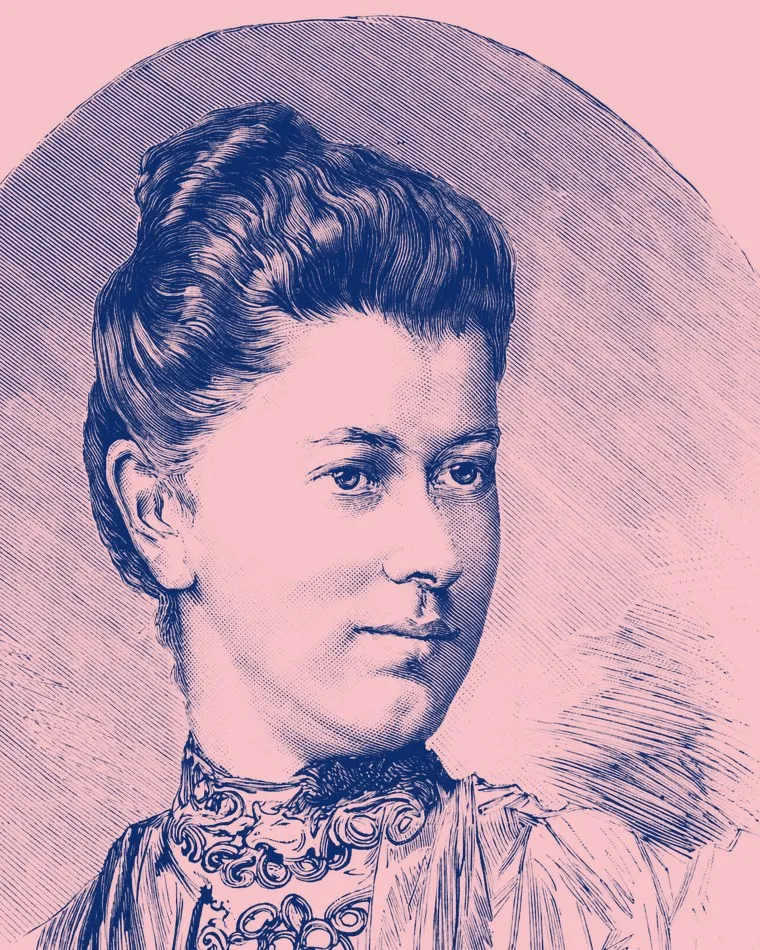
She stayed. On 17 June 1887 she graduated in law, the first woman to do so in Paris. On 12 June 1890 she defended her doctoral thesis, On the legal condition of the mother, and became the first woman in France to earn a doctorate in law. Nine days later the Paris magazine Le Monde illustré printed her portrait.
Not quite the first in the world
You will often read that she was the first woman in the world with a law doctorate. Not quite: Emilie Kempin-Spyri earned one in Zurich in 1887. Sarmiza was the first in France, which was remarkable enough.
Back in Bucharest
When she came home in 1891, she asked to join the Bucharest Bar, the first woman to do so. Her request caused years of legal argument, and she never practised as a lawyer. Romania's first woman allowed to practise law, Ella Negruzzi, was admitted in 1920. Sarmiza kept working for girls' education until she died in 1935.
Why she matters
She did not win every battle. But every woman who studied law after her walked through a door she had helped to open.