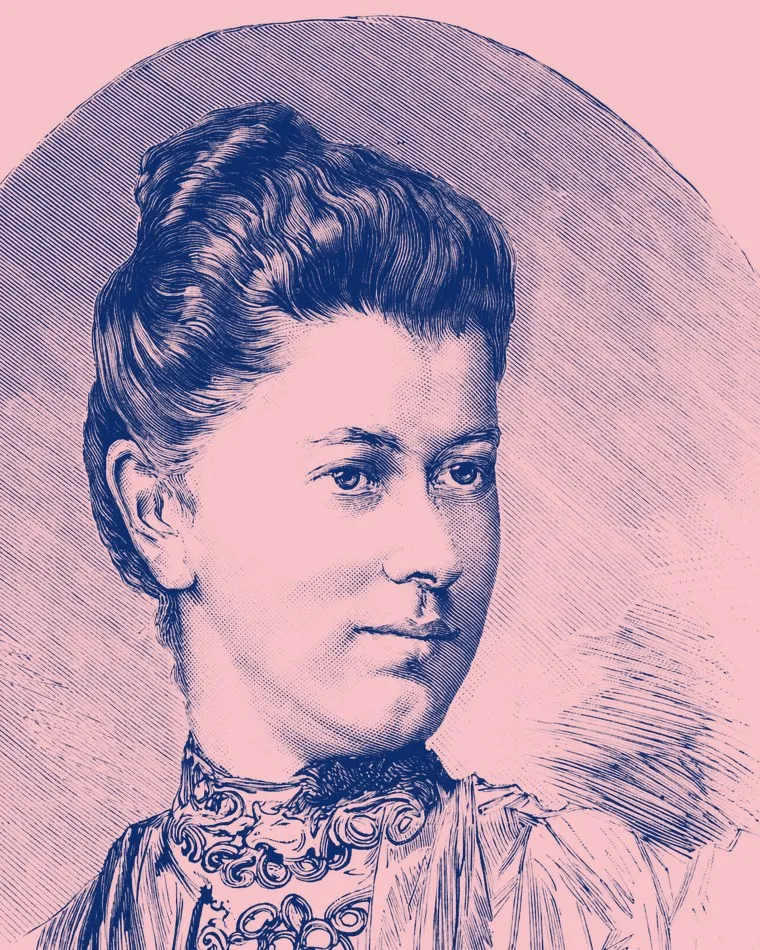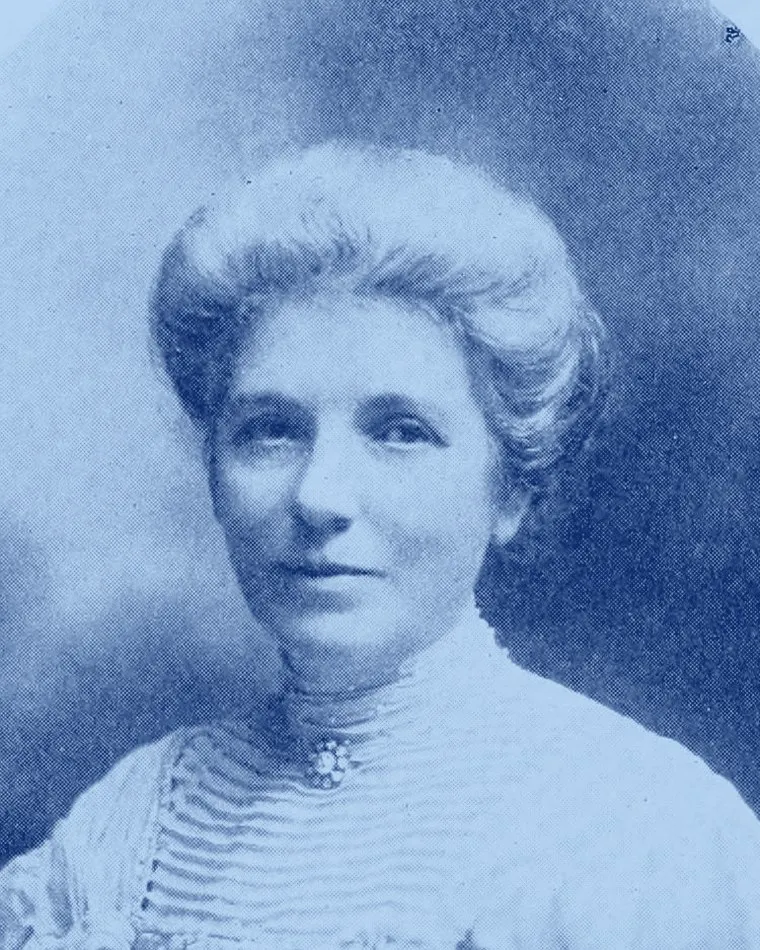
In 1893 New Zealand became the first self-governing country to give all adult women the vote, Māori women included. The woman at the centre of the campaign was Kate Sheppard.
A campaign built on signatures
Kate was born in Liverpool to Scottish parents and moved to New Zealand with her family in 1869. In 1887 she became the national leader of the Women's Christian Temperance Union's campaign for the vote.
Her main tool was the petition. In 1891 the campaign collected more than 9,000 signatures. In 1892, almost 20,000. In 1893, nearly 32,000: a petition 270 metres long, the largest the New Zealand Parliament had ever received.
Not everyone agreed
The liquor trade and the Premier, Richard Seddon, fought against votes for women, and the upper house blocked the bill in 1891 and 1892. Supporters gave their allies in Parliament white camellias to wear.
On 8 September 1893 the upper house finally passed the bill, by 20 votes to 18, and on 19 September it became law. Ten weeks later, 82% of the women on the electoral roll voted.
“All that separates, whether of race, class, creed, or sex, is inhuman, and must be overcome.”
Kate Sheppard
What came next
Women in New Zealand could not stand for Parliament until 1919, and the first woman MP was elected in 1933. Kate Sheppard died in Christchurch in 1934. Today her portrait is on New Zealand's $10 note.